Tangle:非党派独立媒体7年做到年入450万美元
From simple newsletter to $4.5M/yr media company
Tangle · 独立非党派媒体 · 7年 · 年入450万美元
- ⚡从13位亲友读者起步,7年做到年入450万美元,90%+订阅用户选择年付
- 🎯差异化无党派中立定位,覆盖左右派全光谱受众,信任度远超行业平均
- 🚀最大增长引擎是免费媒体曝光,登上知名播客后订阅数月直接翻倍
- 💡技术栈极简无自研,把所有资源投入内容生产,靠长期复利积累护城河
从13名亲友读者起步,7年做到年入450万美元独立媒体,靠差异化中立定位+长期内容坚持取胜,核心门槛是持续日更的内容耐力。
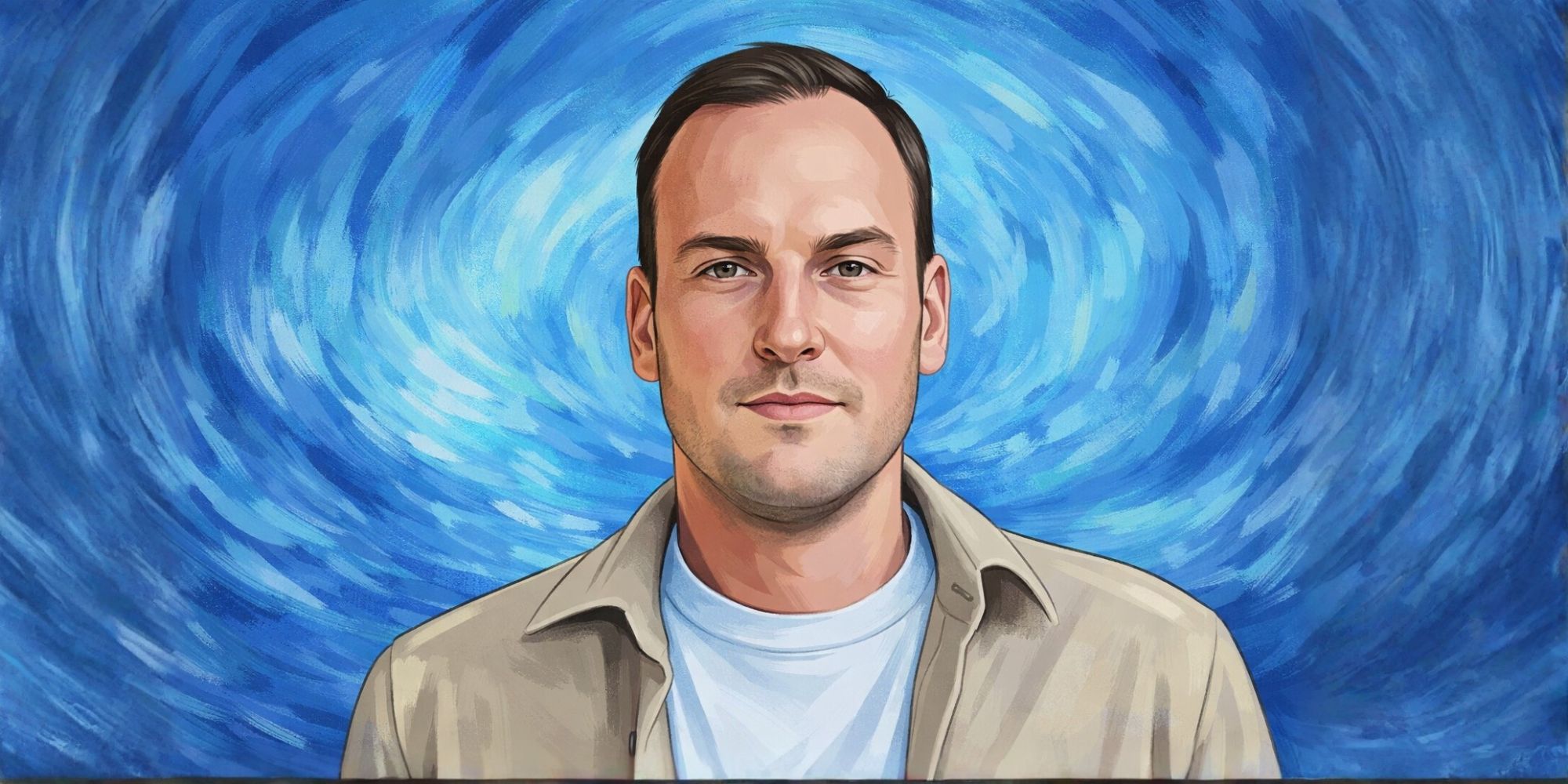
从记者到年入450万美元的媒体公司
From reporter to $4.5M/yr media company
我是一名政治记者,在宾夕法尼亚州巴克斯县长大,这里是全美政治分歧最严重的郡县之一。职业生涯早期,我和演员、企业家阿什顿·库彻一起参与搭建了解决方案新闻媒体平台A Plus,担任编辑和政治记者,同时在整个媒体行业做自由撰稿人。现在我运营着Tangle——一家独立、无党派、订阅支持的媒体公司。我们通过汇总右翼、左翼和中间派的最强论点,再给出「我们的观点」,报道美国最重大的政治新闻。我们的旗舰新闻通讯覆盖60多个国家的50多万读者,播客每月有数十万听众,受众涵盖保守派、自由派、独立人士和无党派群收入里程碑体。去年Tangle的ARR达到400万美元,年广告收入超过50万美元。
I’m a politics reporter who grew up in Bucks County, Pennsylvania — one of the most politically divided counties in the country. Early on in my career, I helped build A Plus, a solutions journalism media outlet, alongside actor and entrepreneur Ashton Kutcher. I worked as an editor and politics reporter for A Plus while I freelanced all over the media space. Now, I run Tangle — an independent, nonpartisan, subscriber-supported media company. We cover the biggest U.S. political stories by summarizing the strongest arguments from the right, left, and center, and then offering “our take.” Our flagship newsletter reaches more than 500,000 readers in 60+ countries, and our podcast reaches hundreds of thousands of listeners each month. Our audience is made up of conservatives, liberals, independents, and those who don't identify with any political tribe. Last year, Tangle hit $4M in ARR, and it does over half a million dollars a year in advertising revenue.
Who is it for?
- ✓资深内容创作者/媒体人
- ✓垂直领域内容生产能力的长期主义创业者
- ✓擅长用户运营的内容从业者
Not for
- ✗追求短期快速变现的投机者
- ✗无法坚持长期日更内容的人
- ✗缺乏内容创作能力的纯技术开发者
经典创业故事
The classic entrepreneurial story
我的创业经历非常典型:我想找一款自产品原点己需要的产品,找不到,于是就自己动手做了。Tangle的创意来自于我花大量时间搜索新闻源、播客、YouTube频道和社交媒体,试图了解当下重大辩论中左翼、右翼和中间派的最佳论点,我意识到应该有一个地方能让用户在几分钟内获取所有这些信息,这就是我创办Tangle的初衷。这一切都源于我意识到新闻行业已经崩坏:我的作品在很多不同平台发布,但读者信任我的内容不是基于我写了什么,而是基于内容发布在什么平台。左翼读者不会信任保守派媒体上我写的任何内容,反之亦然。在这个媒体信任度创历史新低、两极分化日益严重、几乎没人能跨党派对话的时代,我想创建一个真正的大阵营媒体组织——一个无论你是谁,都能接触到你不认同的政治观点的地方。
I have a classic entrepreneurial story: I went looking for a product I wanted, I couldn't find it, so I tried to build it. The idea for Tangle came from spending hours and hours scouring news sources, podcasts, YouTube channels, and social media to understand the best arguments from the left, right, and center on big debates of the day, and realizing there should be one place where you can get that info in just a few minutes. That’s why I started Tangle. All of this is born out of recognition that the news industry is broken. My work was getting published in a lot of different places, and I realized people trusted it not based on what I was saying, but based on where I was saying it. Readers on the left would trust nothing I wrote if it showed up in a conservative-leaning news outlet, and vice versa. In this era when media trust is at an all-time low, polarization is increasingly extreme, and so few people seem capable of talking to each other across the partisan divide, I wanted to create a genuine big-tent media organization — a place where no matter who you were, you would encounter political opinions that you did not agree with.
创始人底色
第一年
The first year
我最初在Substack上创办Tangle,后来当我无法再接受平台抽取10%的收入分成时,我离开Substack转用Ghost。初始种子用户我的第一期通讯只发给了13个人,大部分是朋友和家人。第一年我还在A Plus全职工作,每天都写Tangle的内容。人们开始到处分享这份通讯,当我推出付费订阅选项,有20%的读者选择付费后,我辞去付费转化率了全职工作。从第一年到现在,我一直不断收集读者反馈来优化产品,最常收到的反馈是:「我看到了左右派的观点,但你是政治记者,你的观点是什么?」这促使我推出了「我的观点」板块,现在这已经是通讯最受欢迎的部分之一。现在不一定是我写这个板块,但每天团队里都有人分享他们对当日话题的分析。即使业务和团队不断扩张,我们的使命和通讯的大部分核心部分从Tangle创立之初到现在几乎没有变化。
I started Tangle on Substack, but eventually left Substack for Ghost when I could no longer justify the 10% revenue cut I was giving the platform. The first issue of my newsletter went to about 13 people — most of whom were friends and family. For the first year, I was working full time at A-Plus while writing Tangle every day. People started sharing the newsletter around, and I quit my full-time job when I launched a paid subscription option that 20% of my readers took. All throughout that first year — and even today — I incorporated feedback from readers to shape the product and make it better. One piece of consistent feedback I kept hearing was, “I see what the right and left are saying, but you’re a politics reporter, so what’s your opinion?” That prompted me to launch the “My take” section, which is now one of the most popular parts of the newsletter. These days, it’s not always me writing it, but every day, someone on our team still shares their analysis of the day’s topic. The mission, and most of the core parts of the newsletter, remain pretty much identical to Tangle’s earliest days, even as we’ve grown the business and team.
关键里程碑
- {"year":"第0年","event":"发布第一期通讯,仅13名亲友读者"}
- {"year":"第1年","event":"20%读者付费,创始人辞职全职运营"}
媒体公司的技术栈
A media company's tech stack
我们的技术栈非常简单:用极简技术栈Ghost作为内容管理系统,Slack做团队沟通,谷歌云端硬盘存储、分享文件和编辑通讯,Acast作为播客托管服务商,Outpost负责页面优化和自动化订阅流程等多项功能。
As far as our tech stack, we use: Ghost as our content management system, Slack for team communications, Google Drive for storing and sharing files and editing the newsletter, Acast as our podcast provider, Outpost for a host of other things, like optimizing our pages and automated subscription flows.
技术与运营
订阅和广告
Subscriptions and advertising
我们是订阅优先的业务,超收入结构过80%的收入来自 recurring 订阅,90%以上的订阅用户选择年付。我们有三个订阅档位,最高档是每年199美元的「感谢支持」档,但大多数订阅用户选择每年59美元的年度计划,可以访问所有付费墙内容。除了订阅之外,其余收入来自通讯和播客广告、每年举办的几场活动、以及在大学和其他机构的演讲邀约。我们把免费的每日通讯作为漏斗顶端产品,投放广告引导用户注册通讯,用户注册后,我们通过季度增购邮件、折扣会员选项、高价值付费周五特刊来转化读者成为付费会员。去年我们大幅拓展了广告业务,雇佣了专门的广告销售人员,帮助我们填满广告库存,尝试新的广告位,获得更高的千次展示收益。
We’re a subscription-first business, with over 80% of our revenue coming from recurring subscriptions — over 90% of our subscribers are on annual subscriptions. We have three subscription tiers ranging up to our $199/year “Thank you” tier — but most subscribers are on our annual plan, which gets them access to all of Tangle’s paywalled content for $59/year. Aside from subscriptions, the rest of our revenue comes from advertising in our newsletter and podcast, hosting a few events each year, and landing speaking gigs at universities and other orgs. We think of the free daily newsletter as our top-of-funnel product, and focus our ads to send people to the newsletter sign-up page. Then, once they’re signed up, we try to convert readers to paid members using quarterly upsell emails, discounted membership options, and high-interest, paywalled Friday editions. We’ve also ramped up our advertising in the last year, and hired a dedicated ad sales staff member who has helped us fill our inventory, experiment with new placements, and reach a higher CPM.
收入解释
广告、合作和免费媒体曝光
Ads, partnerships, and earned media
在用户获取方面,我们投放过付费广告(尤其是在Meta平台),也和其他通讯平台合作互相推核心增长引擎广。但迄今为止最大的增长加速器是免费媒体曝光——去年Tangle登上了《This American Life》的一期节目,之后几个月我们的订阅用户几乎翻倍。这种突破性事件一直周期性地推动我们的业务增长。在我看来,Tangle非常适合这类机会,因为我们的电梯游说几乎对所有人都有吸引力:「你难道不想看到跨政治光谱的不同观点吗?」几乎没人会对这个问题说不。另一个难以量化的增长和用户留存驱动因素是我们吸引并留住了一批忠实受众。用户每天中午都等着收到我们的邮件,即使在新闻疲劳的大环境下,我们的打开率依然保持稳定。在公众对新闻媒体信任度创历史新低的时代,我们能获得这种信任有几个原因:我们始终专注产出优质内容,没有任何捷径、技巧可以替代满足用户需求、提供优质内容;我们坚守简单承诺,最核心的就是内容的观点多样性,大多数时候内容分为「左翼在说什么」和「右翼在说什么」板块,有时也会发布互相反驳的内容;最后我们坚持运营透明度,在每篇通讯顶部显著位置刊登更正说明,公开并解释我们的编辑政策。
On the acquisition side, we’ve run paid advertising (especially on Meta) and partnered with other newsletters to cross-promote each other’s work. But by far, the biggest growth accelerant has been earned media — last year, Tangle was featured on an episode of This American Life, and our subscribers nearly doubled in the following months. That’s the kind of breakthrough event that has always periodically accelerated our business. In my opinion, Tangle is ripe for opportunities like that because our elevator pitch is immediately compelling when told to just about anyone. “Don’t you want views from across the political spectrum?” is a question almost nobody says no to. The other big, less quantitative driver of growth — and subscriber stickiness — has been attracting and retaining a loyal audience. People expect us in their inbox at noon every day, and our open rates have held steady even amid news fatigue. At a time when trust in news media is at an all-time low, I think we’ve been able to attain this kind of trust for a few reasons: We focus relentlessly on great content. There is no shortcut or hack or trick that can substitute for just filling a need and providing great content. We fulfill some simple promises, chief among them viewpoint diversity in our content. Most days, this is “What the left is saying” and “What the right is saying,” though sometimes we’ll offer pieces that counter each other. And, finally, we lean into transparency in how we work by featuring corrections prominently at the top of each newsletter and sharing (and explaining) our editorial policies.
增长渠道组合
永不停歇的报道挑战
The challenge of a never-ending beat
我认为这份工作最困难的地方就是它永远不会停止。新闻的鼓点一直在响,运营一份每日更新的通讯工作量非常大。有些早上我醒来只想逃离新闻、逃离写作、逃离业务运营,但当你是负责人的时候,你只能想办法坚持下去。我经常开玩笑说如果从头再来,我可能会做一份每周或双周更新的通讯,但当然,如果那样我们可能不会取得现在的成功。说真的,如果能回到过去重新做选择,我会更早开通YouTube账号,在2021或2022年就入驻TikTok,更早雇佣一名行政助理。前两个选择的好处很明显:我们本可以在这些增长平台上获得先发优势,现在我们进入这些平台已经晚了一步。雇佣行政助理的遗憾来自于我去年才招了这个岗位,我发现这极大地释放了我的时间,如果早几年招,我能完成更多工作。最终,搭建团队让所有事情都变得更简单。有足够的收入来招人之后,我可以可持续地运营业务,在新平台比如YouTube上布局。现在我们有12名全职员工,我和团队互相支撑,我有机会休息,专注于写作之外的事情。
I think the most difficult thing about our job is that it just never stops. The drumbeat of news goes on, and running a daily is a lot of work. There are mornings when I wake up and feel like I want nothing more than a break from the news, from writing, from business operations; but when you’re the top dog, you just find a way to push through. I joke all the time that if I had to start over, I probably would have done a weekly or twice-a-week newsletter, but of course, we probably wouldn’t have had the same success. In all seriousness, if I had to go back and do some things differently, I would have: Started a YouTube page much sooner, Gotten on TikTok in 2021 or 2022, Hired an executive assistant much earlier. The YouTube and TikTok regrets are obvious: We just would have had a much better inside track on those platforms, which are growth accelerators, and now we’re trying to break through late in the game. And the EA regret just comes from making that hire last year and realizing how much bandwidth it has freed up for me, and how much more I could have gotten done in the years prior if I had done it sooner. Ultimately, building out our team has been the thing that made all of this easier. With enough revenue to hire up, I can do this sustainably and launch on new platforms like YouTube. Now, we have a full-time team of 12 people, and so I can lean on them as much as they lean on me, which gives me opportunities to take breaks and focus on things aside from writing.
核心心态
打造不存在的产品
Focus on what doesn't exist
去做产品定位原则市面上没有的东西,不要浪费时间试图去比已经做得极好的人做得更好。我们不需要更多的商业通讯、约会应用或者流媒体平台。选择你热爱的赛道,搭建业务的时候不要让你自己永远成为品牌的核心。如果你打造的品牌完全围绕你个人,就相当于你签了一份永远不能休息、要永远为品牌工作的合约。雇佣你真心喜欢相处的人。在工作文化、生产力、起床奋斗的动力方面,没有什么比关心你身边的团队成员、想要为他们把事情做好更重要的了。保持一致性,慢慢扩张。如果你做内容业务,就专注内容本身,不要找捷径。只花你手里有的钱,不要超支。关注你的利润率和「人均营收」指标,剩下的事情自然会理顺。
Build something that doesn’t exist. Don’t waste time trying to do something better than people who are doing it incredibly well already — we don’t need more business newsletters or dating apps or streaming platforms, I promise. Choose something you love, and build it in a way that doesn’t require you, the person, to be at the center of it forever. If you build a brand that is built around you, then you are signing up to work forever on that brand, without a break. Hire people you genuinely love to be around. In terms of work culture, productivity, wanting to get out of bed and grind, nothing has mattered more to me than caring for and wanting to make this work for the people I surround myself with. And just be consistent. Scale slow. If you’re in the content business, focus on that, not shortcuts or hacks. Spend only the money you have, and never more. Pay attention to your margins and “revenue per employee” as a metric, and the rest will fall into place.
关键证据引用
- {"quote":"迄今为止最大的增长加速器是免费媒体曝光,登上《This American Life》后订阅数月翻倍","label":"增长"}
- {"quote":"打造不存在的产品,不要浪费时间去和已经做得极好的人比拼优化同类产品","label":"产品"}
未来规划
What's next?
我们现在产出的内容质量远超当前团队规模对应的常规水平,所以短期内我们的核心目标是在现有内容产出渠道下产出高质量内容,尽可能扩大受众规模。「优2026目标化、审计、重复」是我2026年要求团队牢记的目标。你可以在这里注册我们的免费每日通讯,如果你更喜欢听内容,可以收听我们的播客,我们也会上传深度新闻报道和播客视频版本到YouTube频道,你也可以在X上关注我。
We have a lot going on, and are punching above our weight in terms of the level of content production for the size of our team — so, in the near-term, we’re laser-focused on producing high-quality content in our current outputs, and scaling up our audience with those outputs as much as possible. “Refine. Audit. Repeat.” is a goal I’m having our team keep in mind heading into 2026. You can sign up for our free daily newsletter here! If you prefer to listen, you can check out our podcast, and we also upload deep dives on news topics and video versions of the podcast on our YouTube channel. And you can follow me on X.
本地化参考
- 国内内容创业者可以复用「优化、审计、重复」的极简运营思路,不用盲目追热点做新内容形态,先把现有内容渠道的价值挖透。
用户评论与创作者回复
已过滤 spam、低价值附和与重复内容 · 原始 72 条 · 展示 12 条 · 创作者回复 2 条
The 13-readers-to-here jump is the part I'd love to hear more about. I'm at a similar stage right now with a small neighborhood newsletter, and most growth advice out there is aimed at people already past the size I'm at. What actually got you from 13 to the first few hundred, before any of the bigger distribution moves worked?
我最想知道从13个读者到第一批几百读者的增长过程,我现在正在做社区小通讯,大部分增长建议都是给已经过了冷启动阶段的人,在大规模分发动作之前,你到底是怎么做到从13涨到几百的?
笔记:精准击中小内容创业者的冷启动痛点,大部分人都卡在从0到100个真实用户的阶段。
Really solid breakdown. The “build what doesn’t exist” point hits hard. What stood out to me is how simple the core idea is — not technically complex, but execution-heavy. Daily consistency + clear positioning (left/right/center) is doing most of the work here. Also interesting how the free newsletter acts as top-of-funnel, and everything else is just optimization on top of that. Feels like a reminder that distribution > features in content businesses. I’m building in a different space (developer tools), but the same pattern applies — instead of adding more features, focusing on solving one painful problem end-to-end and making onboarding frictionless. Curious — for those building products (not content), what’s the equivalent of “daily newsletter consistency”? Is it shipping frequently, or something else?
拆解非常扎实,「打造不存在的产品」这句话太戳人了。核心思路特别简单,没有复杂技术,全靠重执行:每日稳定输出+清晰的中立定位就是成功的核心。免费通讯作为流量漏斗,后续所有转化都是在这个基础上做优化,提醒我们内容生意里分发比功能重要得多。我现在做开发者工具,也在复用这个思路,不堆功能,专注端到端解决一个痛点,好奇非内容类产品里,和「每日更新通讯」对等的长期一致性动作是什么?
笔记:把内容创业的方法论延伸到SaaS领域,跨赛道提炼通用规律,价值很高。
This really highlights something most people miss about “media businesses” — they’re not actually about content, they’re about compounding attention over time. Starting from a simple newsletter and turning it into a $4.5M/year company isn’t about going viral once — it’s about building a system where every piece of content feeds the next one. What I find especially interesting is how this model quietly overlaps with product building: you’re essentially stacking assets — audience → trust → distribution → monetization. I’m seeing a similar pattern while building in the tools/calculator space: the biggest leverage comes when content isn’t just informative, but tied to a specific intent (something the user actively needs right now). Feels like the real moat here isn’t content quality — it’s owning a niche + consistent distribution over time. Curious — if you were starting again today, would you still begin with a newsletter, or go straight into SEO-first content?
这个故事点透了大部分人对媒体生意的误解:它本质不是做内容,而是长期复利积累注意力。从简单通讯做到年入450万根本不是靠一次爆火,而是搭建了一套每篇内容都能为下一篇导流的系统。这个模式和做产品的逻辑完全共通:你在逐层积累资产——受众→信任→分发→变现。我做工具类产品的时候也发现,最大的杠杆来自内容绑定用户当下的明确需求,真正的护城河根本不是内容质量,而是长期占据细分赛道+稳定分发。好奇如果现在重新创业,你还会从通讯起步,还是直接做SEO内容?
笔记:跳出内容表层看本质,提炼出注意力复利的核心逻辑,给所有内容创业者全新的思考角度。
Really enjoyed this breakdown, Isaac. The part about starting with just 13 readers (friends & family) and iterating based on feedback hit home , especially adding the ‘My take’ section after readers kept asking for it. I’m in the early MVP stage building an AI tool and wondering: when you were still full-time at A-Plus, how did you decide which reader feedback to act on immediately vs. what could wait? That ‘focus on what doesn’t exist’ advice is gold. Thanks for sharing the full journey!
非常喜欢这个拆解,从13个亲友读者起步靠反馈迭代产品的部分太有共鸣了,尤其是读者反复要求之后才加了「我的观点」板块。我现在正处在AI工具的MVP阶段,很好奇你当时还在A Plus全职上班的时候,是怎么判断哪些读者反馈要立刻做,哪些可以延后的?「打造不存在的产品」这个建议太有价值了。
笔记:MVP阶段的需求优先级判断是所有创业者都要面对的核心问题,这个提问非常有实操参考性。
The $500K+ in advertising revenue on a 500K subscriber list is the number worth sitting with. That's roughly $1 per subscriber per year in ad revenue — which is actually conservative for a high-trust, nonpartisan audience. Most newsletter operators I've seen in the news/politics space get between $0.50 and $3 depending on niche and sponsor relationships. What's underrated in the newsletter-to-media-company story is how hard the sponsorship discovery problem is on both sides. Brands spend weeks manually searching for newsletters to sponsor — no centralized place to filter by audience size, niche, price point. Newsletter operators waste time on pitches from completely mismatched sponsors. The $500K didn't come from inbound discovery tools. It came from Isaac's network and reputation. That's hard to replicate for someone at 10K subscribers trying to land their first sponsor. I've been building in this space (a Beehiiv newsletter directory) and the #1 thing operators tell me is that their biggest bottleneck isn't content — it's getting in front of the right sponsors consistently.
50万订阅用户做到50万美元广告收入这个数字值得仔细琢磨,相当于每个订阅用户每年贡献1美元广告收入,对于高信任度的中立受众来说其实是非常保守的数字,大部分新闻类通讯的单用户广告收入在0.5到3美元之间。这个故事里被低估的点是赞助对接的痛点:品牌方要花几周时间手动找合适的通讯投放,没有统一平台可以按受众规模、赛道、价格筛选,通讯运营者也会收到大量完全不匹配的赞助推销。这50万美元广告收入根本不是靠工具自动来的,是靠创始人的人脉和行业口碑,对于只有1万订阅用户想接第一单赞助的创业者来说很难复刻。我现在正在做通讯目录产品,所有运营者都告诉我最大瓶颈根本不是内容,而是持续对接合适的赞助商。
笔记:从广告侧拆解了内容媒体的隐性门槛,点出大部分人忽略的赞助对接痛点,非常有行业洞察。
The earned media point is underrated in most newsletter growth conversations. Everyone talks about paid acquisition and cross-promotions but the This American Life moment is a different category entirely it's not a channel, it's a credibility transfer. One placement from a deeply trusted source does what 6 months of Meta ads can't buy. What's interesting about Tangle specifically is that the pitch almost selects for that kind of coverage. "We show you what both sides are actually arguing" is a story journalists want to tell right now. The product IS the hook. Most newsletters that grow fast are optimizing for clicks. You optimized for trust first and let the compounding do the work. Seven years is a long time to stay patient with that.
免费媒体曝光的价值在大部分通讯增长讨论里都被低估了,所有人都在说付费投放和互推,但登上《This American Life》这种级别的曝光根本不是普通渠道,而是信任背书的直接转移。一次头部信任媒体的露面对增长的帮助,相当于你投6个月Meta广告都买不到的效果。Tangle最妙的地方是它的产品定位本身就是媒体喜欢报道的故事:「我们给你展示不同立场的真实观点」,记者天然愿意主动报道。大部分快速增长的通讯都在优化点击率,而你从第一天就优化信任,剩下的交给时间复利,能耐心坚持7年真的太不容易了。
笔记:精准点出免费媒体曝光的本质是信任转移,而非普通流量,给内容创业者的增长思路打开了全新方向。
This story really resonates. Isaac's move from Substack to Ghost to avoid the 10% revenue cut is the kind of margin-aware thinking that separates builders who scale from those who don't. As someone whose entire competitive advantage is built on eliminating per-inference costs by running local models, I deeply respect the "own your infrastructure" mindset. The 20% free-to-paid conversion rate when he launched subscriptions is remarkable. Most newsletters see 2-5%. That tells you the content-market fit was already dialed in before he ever monetized. Build trust first, monetize second — it's the playbook. Two things I'm taking away from this for my own journey: The free daily newsletter as top-of-funnel is brilliant. I'm applying the same principle — giving away AI-generated SEO articles and cold email drafts as lead magnets before upselling the full service. Diversifying revenue across subscriptions, ads, events, and speaking gigs is the real unlock. Single revenue streams are fragile.
这个故事太有共鸣了,Isaac从Substack迁移到Ghost避开10%平台抽成的动作,就是典型的边际成本意识,能做到这一点的创业者才能真正把业务做大。我自己靠本地运行AI模型砍掉推理成本做核心竞争力,非常认同「掌控自己的基础设施」的思路。他刚推出订阅就有20%的付费转化率太惊人了,大部分通讯的转化率只有2%-5%,说明他在变现之前就已经完全验证了内容市场匹配。先建信任再变现是绝对正确的路径,我自己创业也学到两点:免费每日通讯作为漏斗顶端的思路太聪明了,我现在也在免费送AI生成的SEO文章和冷邮件草稿做引流,再升级付费服务;把收入分散到订阅、广告、活动、演讲多个渠道,单一收入来源太脆弱了。
笔记:从边际成本和基础设施掌控的角度拆解案例,延伸到SaaS创业的通用方法论,参考价值极高。
Really interesting journey. Growing a newsletter into a $4M+ ARR media company is impressive. I'm curious — at what stage did you realize the newsletter had real business potential and not just an audience?
这个成长历程太厉害了,把通讯做到400万+ARR的媒体公司真的很让人佩服。我很好奇你是在哪个阶段意识到这个通讯不只是有一批读者,而是真的可以做成一门正经生意的?
笔记:追问从兴趣项目到正式生意的转折点,是所有副业转全职的创业者都关心的核心问题。
The "build the media company you wish existed" origin story is the right foundation. Isaac had a genuine POV and an audience problem — those two things together are where media businesses actually start. The jump from newsletter to $4.5M/yr is where most people get stuck though. The compounding happens when the audience trusts you enough to buy adjacent things — events, sponsors who pay premium, products. The newsletter was never the business, it was the audience accumulation phase. What I find most interesting about Ground News specifically: it's differentiated on a dimension that almost every other news product ignores — the meta-layer of HOW news is covered rather than just WHAT is covered. That's a genuinely defensible position because it requires a different type of curation.
「打造你自己想要的媒体公司」这个起点完全正确,Isaac有明确的个人观点,同时精准击中了受众的信息痛点,这两个要素才是媒体生意真正的起点。大部分人卡在从通讯到年入450万的阶段,复利发生的前提是受众足够信任你,愿意为你推荐的其他东西付费:活动、溢价赞助商、周边产品。通讯本身从来不是最终生意,它只是积累受众的第一阶段。Tangle最棒的差异化是几乎所有其他新闻产品都忽略的维度:不只是报道新闻内容本身,而是展示不同立场是如何报道同一件事的,这种差异化的内容生产方式是真正难以被竞品复制的护城河。
笔记:点出通讯只是受众积累工具,而非最终生意,打破了很多内容创业者的认知误区。
The EA hire regret hit different as someone who works as an executive assistant. Founders always realize too late how much bandwidth that role frees up. Also 'build something that doesn't exist' is the only startup advice that actually matters— everything else is noise.
创始人后悔没早雇行政助理这段我太有共鸣了,我自己就是行政助理,大部分创始人都很晚才意识到这个岗位能释放多少个人精力。而且「打造不存在的产品」是唯一真正有用的创业建议,其他所有技巧都是噪音。
笔记:从从业者视角验证了早期雇行政助理的巨大价值,给 solo 创业者非常实用的提醒。
Started my own industry newsletter two weeks ago. First issue went to a couple hundred people, got two subscribers. Reading that yours started with 13 friends and family puts that in perspective. The part that hits hardest is ‘I went looking for a product I wanted, couldn’t find it, so I built it.’ That’s exactly what happened - looked for an independent voice in my industry, realized nobody was writing one, so I started. Different space (pallet logistics, not politics) but the gap was identical. No one saying anything honest. Appreciate the reminder that the first year is just showing up
我两周前刚开了自己的行业通讯,第一期发了几百个人,只拿到2个付费订阅。看到你从13个亲友读者起步,瞬间觉得自己的处境太正常了。最戳我的点就是「我想找自己需要的产品找不到,所以自己做了」,我也是一样的:我找了半天自己所在的托盘物流行业的独立资讯,发现根本没人写,所以自己开了通讯。赛道完全不同,但痛点一模一样:没人说真话。这个故事提醒我第一年只需要坚持稳定更新就够了。
笔记:真实的新手创业者案例,验证了Tangle的模式完全可以复制到任意垂直小众赛道。
What resonated with me most wasn’t the $4.5M number — it was the beginning. Starting with 13 readers and just committing to show up every day. That’s the part people often skip over when they talk about success. I’m at a similar stage right now — early idea, very little built yet, and definitely starting with almost nothing. Reading stories like this is encouraging because it reminds me that most meaningful companies didn’t start with perfect conditions, funding, or a big audience. They started with someone deciding to build something they wished existed.
最让我有共鸣的根本不是450万美元这个数字,而是故事的开头:从13个读者起步,只是承诺自己每天都要更新。大部分人聊成功的时候都会跳过这个最朴素的阶段。我现在也处在完全类似的阶段,想法刚出来,几乎什么都没做,从零起步。这个故事提醒我,大部分真正有价值的公司根本不是从完美条件、融资、大流量起步的,它们只是从一个人决定去做自己想要但找不到的东西开始的。
笔记:回归创业最朴素的本质,给所有早期创业者最实在的鼓励,没有任何鸡汤成分。
I think if you need free users and distribution you can give people your product for free. But if you want to earn money from your product you have to charge money for it.
我认为如果你需要免费用户和分发量,可以先免费开放产品,但如果你想把它做成一门正经生意,一定要尽早开始收费。
笔记:非常实用的变现建议,平衡了冷启动和商业化的节奏。
Localization Notes
- 国内可完全避开政治类高监管赛道,选择职场、科技、消费、行业垂直领域做中立资讯汇总,精准击中用户信息差痛点,合规风险极低
- 用微信公众号/小宇宙/视频号替代海外内容托管平台,微信支付直接打通订阅流程,用户付费门槛远低于海外
- 初期冷启动完全可以从身边10+种子用户起步,靠内容口碑自发传播,不用一开始砸钱投流,降低早期试错成本
- 参考其80%收入来自订阅的结构,优先做付费内容积累正向现金流,跑通基础盘之后再拓展广告、线下活动、知识付费等多元收入
- 内容生产坚持透明原则,公开编辑标准、及时更正内容错误,快速建立受众信任,信任是内容生意唯一的长期护城河
- 完全不需要自研复杂系统,用国内成熟的第三方内容托管、社群、支付工具搭建业务,把全部精力投入内容生产本身,不要在技术上浪费时间